
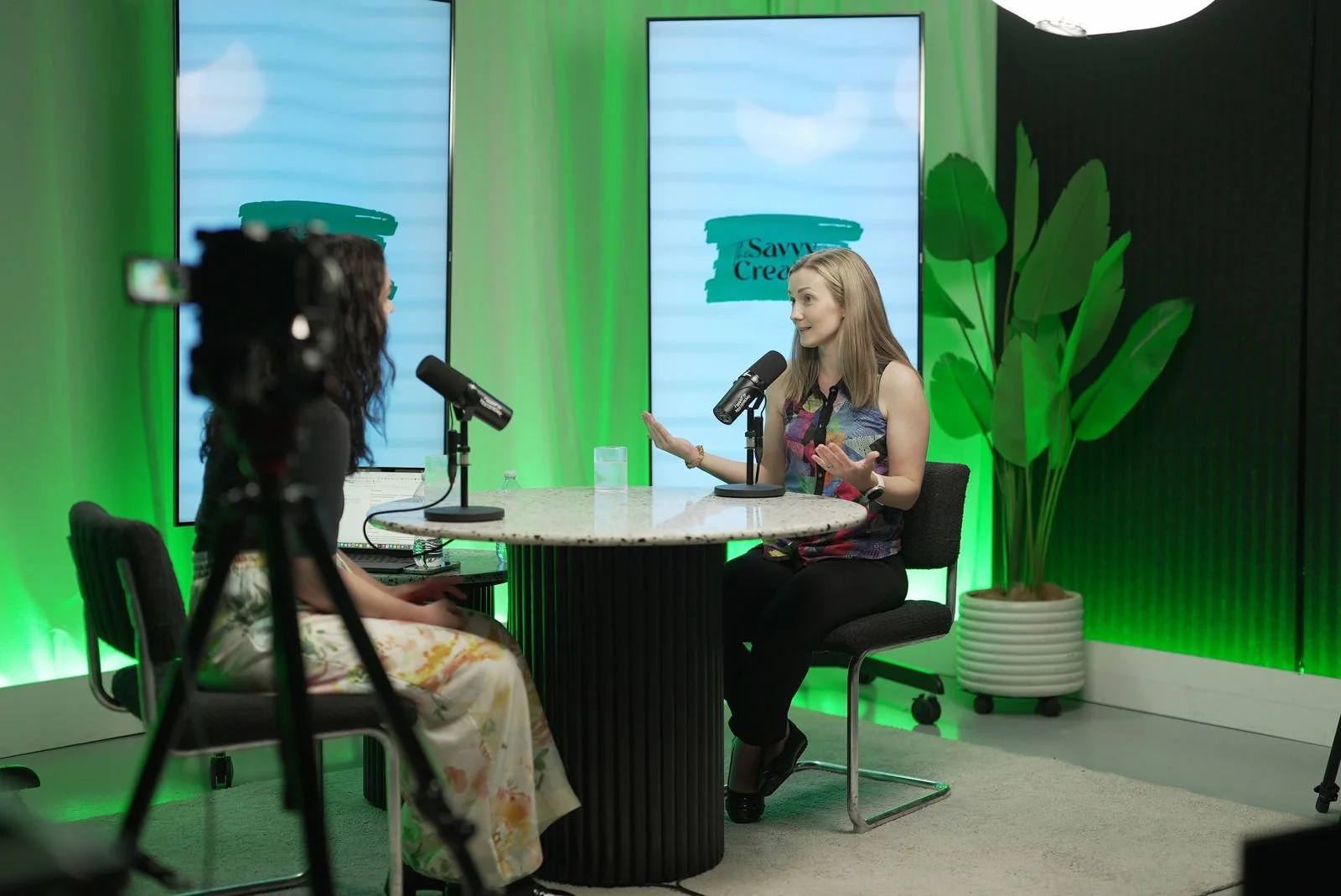
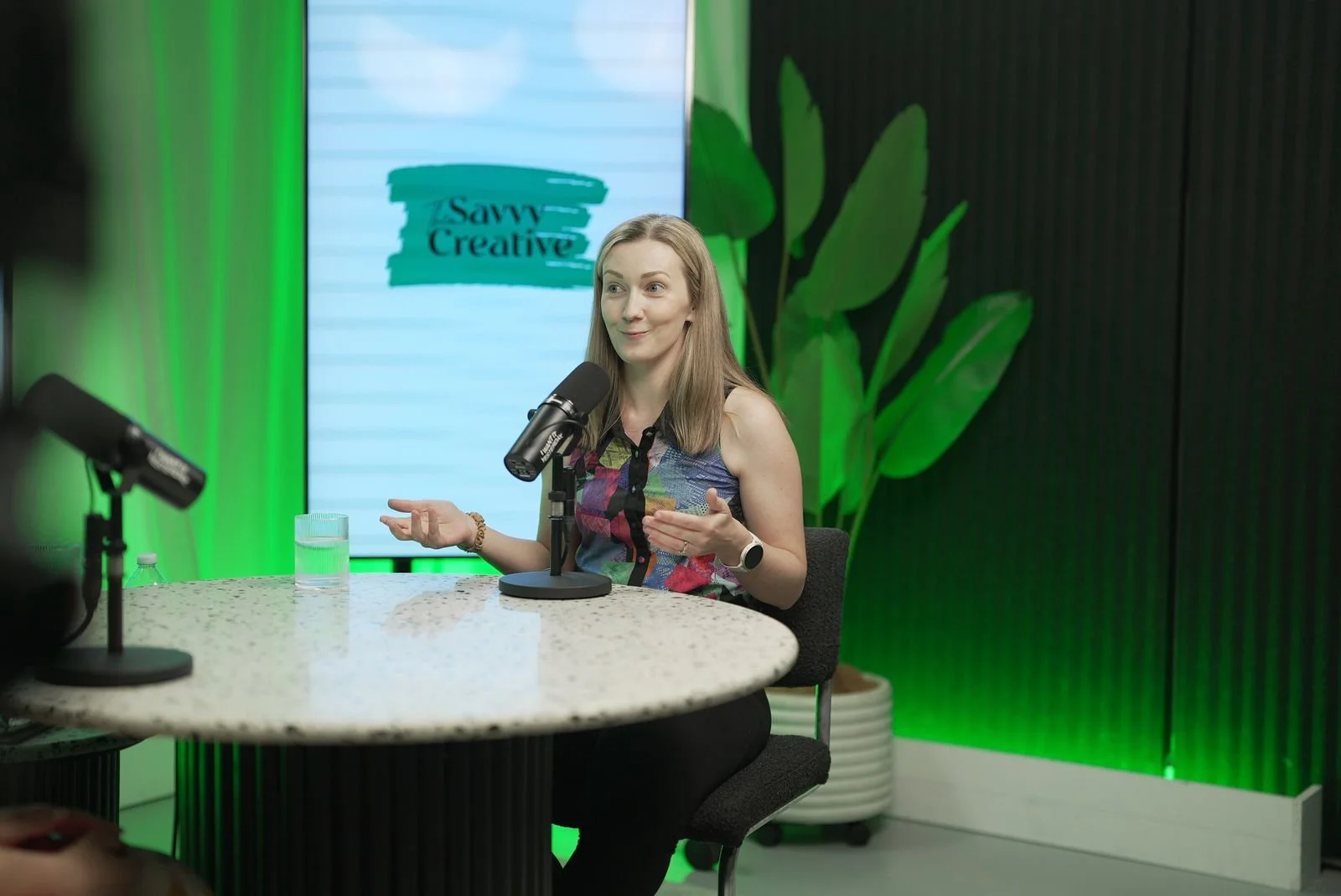
Throwback to April 2026 (yes, it’s been awhile!) and I had the absolute pleasure of flying down to Sydney to sit down for a recording of How to Be a Savvy Creative with the wonderful host, Nell Nakkan of Maiden Media.
Whether you are an emerging artist, a creative freelancer or an entrepreneur navigating the world of grants for the first time, I know that applying for funding can feel like a daunting task. I joined Nell for Season 1, Episode 8: How to write a killer grant application, and we pulled back the curtain on how funding bodies operate and what it takes to build a competitive and compelling grant application.
If you missed the original air date earlier this year, don't worry! The episode (and all other episodes in Season 1) is now freely accessible on YouTube, Spotify or wherever you stream your favourite podcasts. Here’s a recap of some of the key takeaways we covered during the conversation:
1. Grant Funding is Strategically Allocated
Remember, grants aren’t "free money"! Funding bodies use grants as a strategic vehicle to achieve specific outcomes outlined in their own strategic frameworks, policy documents or corporate plans. To ensure you keep the funder’s intentions at the heart of your grant application, make sure to:
Do your homework: Read the guidelines and relevant policy documents (for example, if you are applying for a Creative Australia grant, ensure you are aware of the key strategic pillars of the Australian Government’s national cultural policy, Revive: A place for every story, a story for every place).
Align your goals: Clearly articulate how your project aligns with the funder’s strategic objectives and the desired outcomes of the grant program. Commonly, funders may be seeking to achieve some kind of social, cultural or economic benefit - if so, this information will be available to you in the grant guidelines.
2. Do the Work and Back Yourself - Don’t Let Drafts Sit Gathering Dust
Did you know that for the typical grant seeker, up to 62% of draft grant applications are never submitted before the deadline (Grants in Australia report, 2018)? Time and resourcing constraints, a lack of confidence or poor project planning can stop great projects from being put forward to grant assessors.
Although applying for grants is competitive and success is not guaranteed, you do have to “be in it to win it”! Even an unsuccessful application provides invaluable feedback from peer assessment panels that can help to refine your project and hone your approach to grant writing for future rounds.
3. The Power of "Grant Readiness"
When assessing grant applications, peer assessors can quickly identify whether an applicant is truly ready to deliver their project successfully. Strong applications clearly articulate and provide supporting material that demonstrates the core project planning questions have been considered and planned for:
Why is the project beneficial or important?
What are the tangible outcomes and deliverables?
Who is the target audience or beneficiary? Who will be involved in delivery (partners and collaborators)?
When and where will the project take place?
If your project scope feels wishy-washy, take a step back and refine your project plan before writing an application.
4. Master Your Project Budget
The budget is where many otherwise strong applications crumble.
Assessors look for realistic, detailed calculations and evidence of industry-standard rates for creative professionals (referencing peak bodies like the National Association for the Visual Arts or the Live Performance Award, for example). If the application form allows, support your budget with quotes and detailed budget notes.
5. Actionable Key Takeaways
Start Local: If you're brand new to grant writing, look for local Council rounds or regional funds (like the Regional Arts Development Fund in Queensland, or the nationally available Regional Arts Fund) where the applicant pool is smaller and (generally speaking) detailed feedback and support from funders is more available.
Build a Master Folder of Common Support Materials: Create or update your artist CV and a brief artist bio, and maintain a folder of high-quality hero images. These are commonly requested artistic support materials by arts funders. Also ensure you have basic financial and risk management documents in place, such as your ABN details and a Certificate of Currency for your Public Liability Insurance.
Attach Quality Letters of Support: Strong third-party endorsements provide independent verification of your project’s merit and your capability to deliver outcomes.
Are You Ready to Secure Funding for Your Next Project?
A big thank you to Nell and the team at Yesterday Studios in Alexandria for hosting me back in April. It was an absolute pleasure to take part, and I’ve also greatly enjoyed tuning in to the other topics and subject matter experts on the pod, covering everything from marketing to the use of AI.
If you need help on your grant funding journey, I’m here to support you. You can book a grant mentoring session, or check out my upcoming workshops, or contact me directly for tailored support here.
